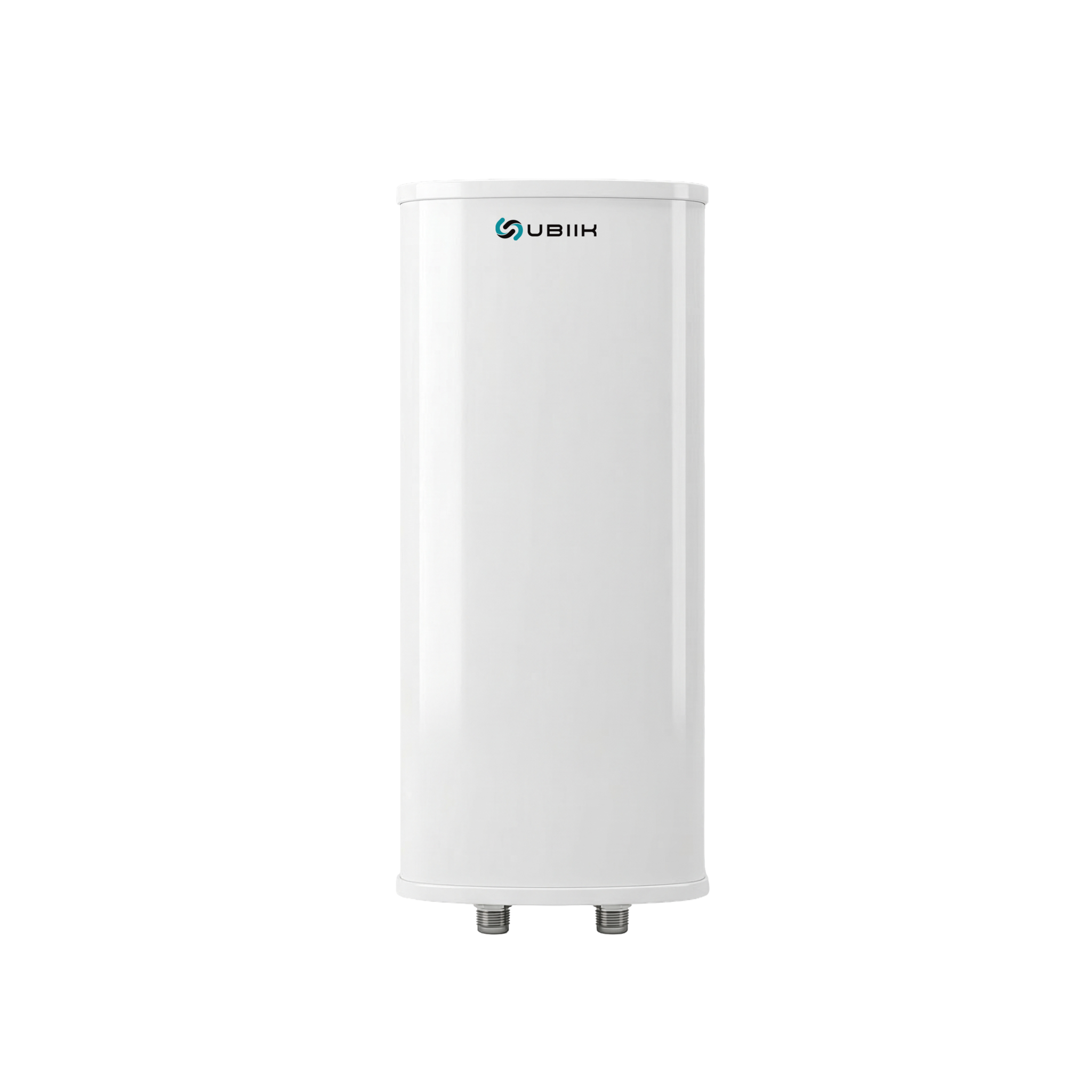
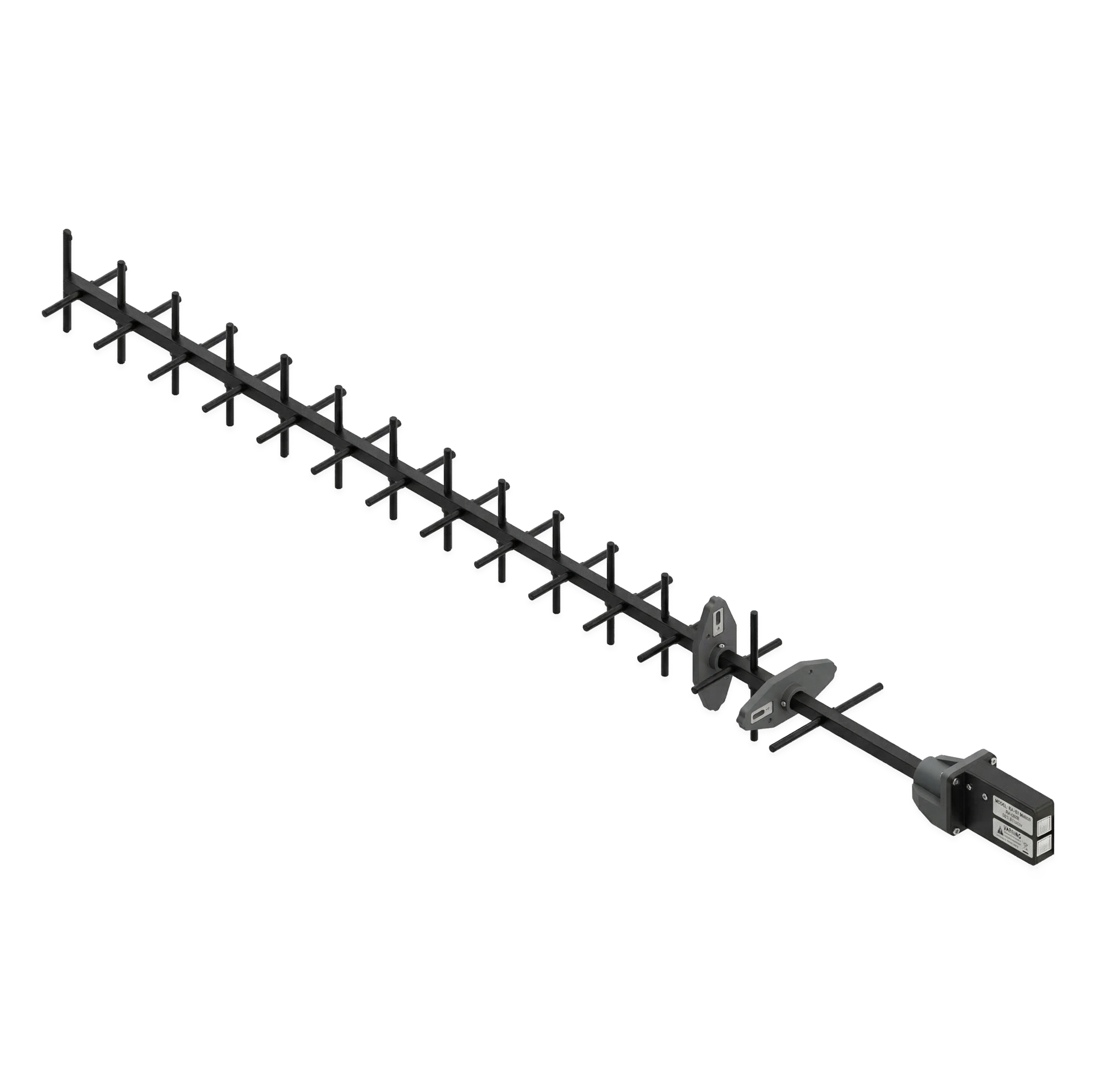
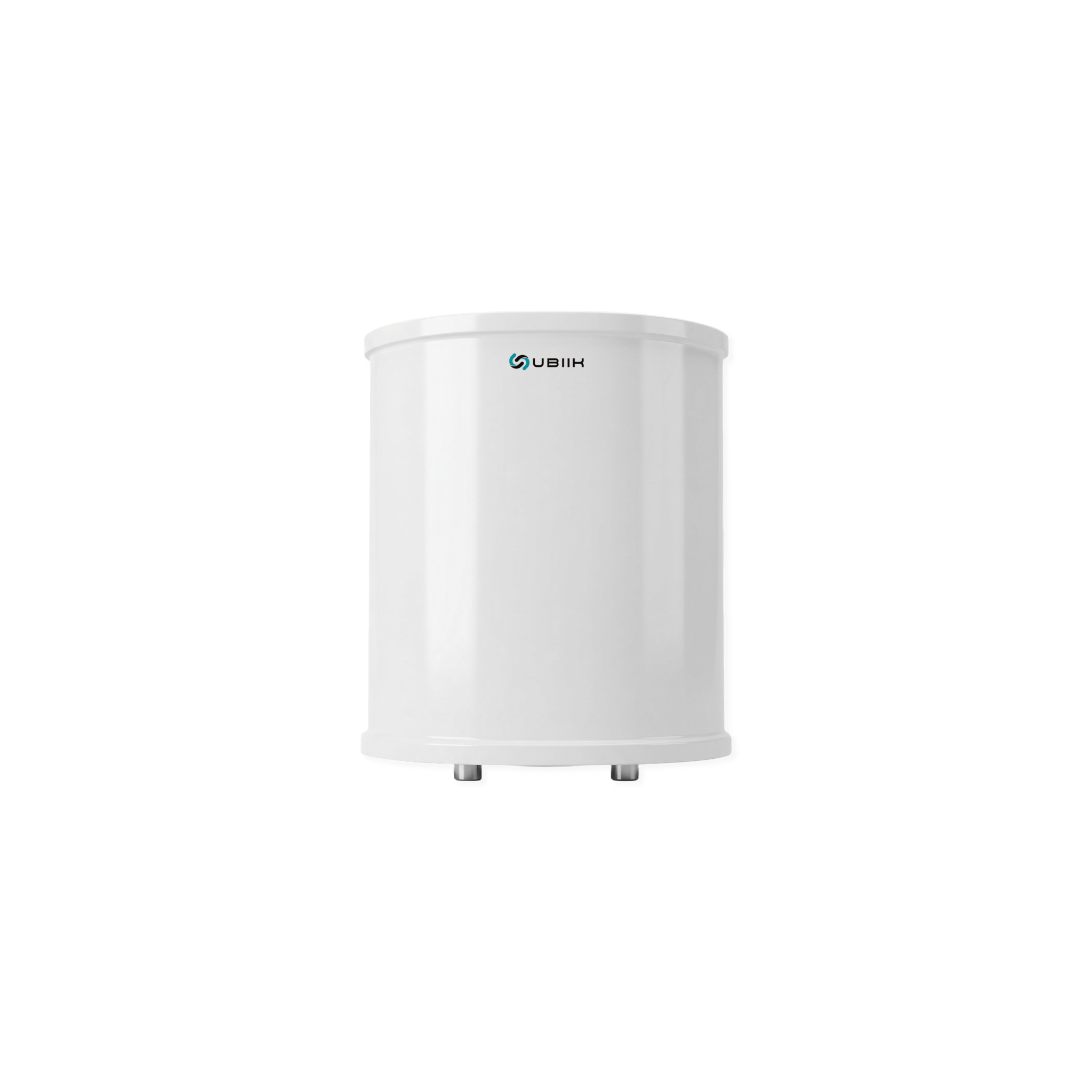
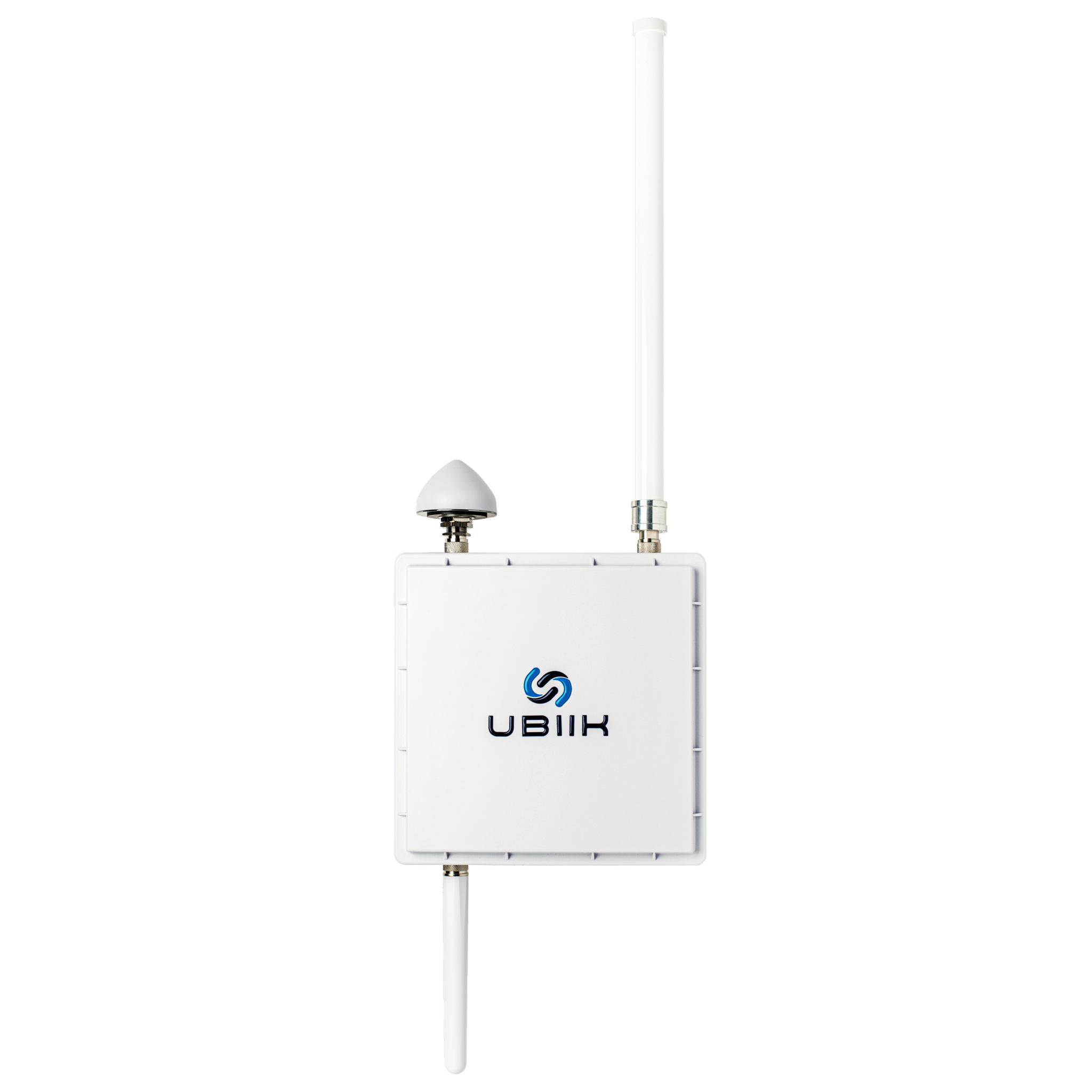
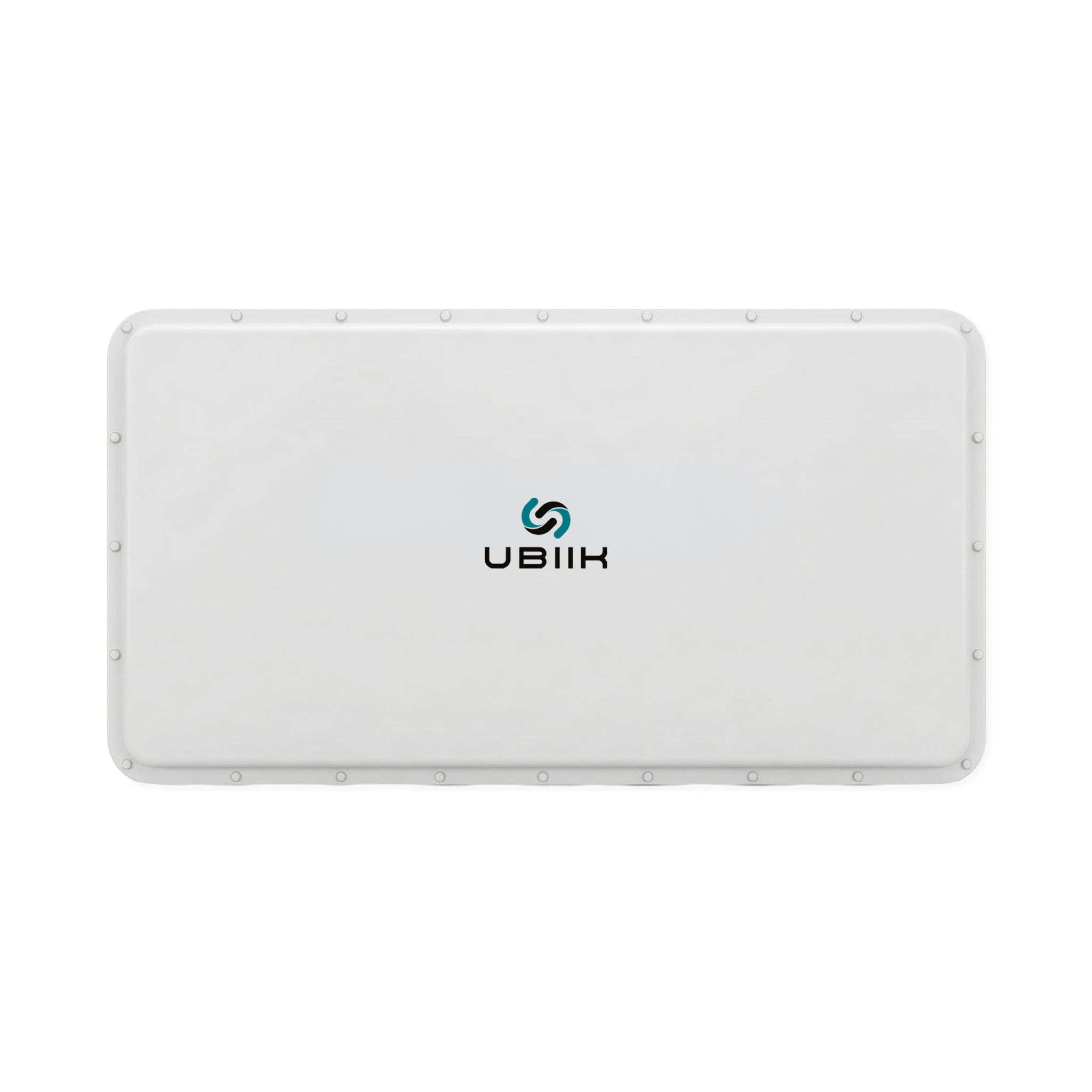
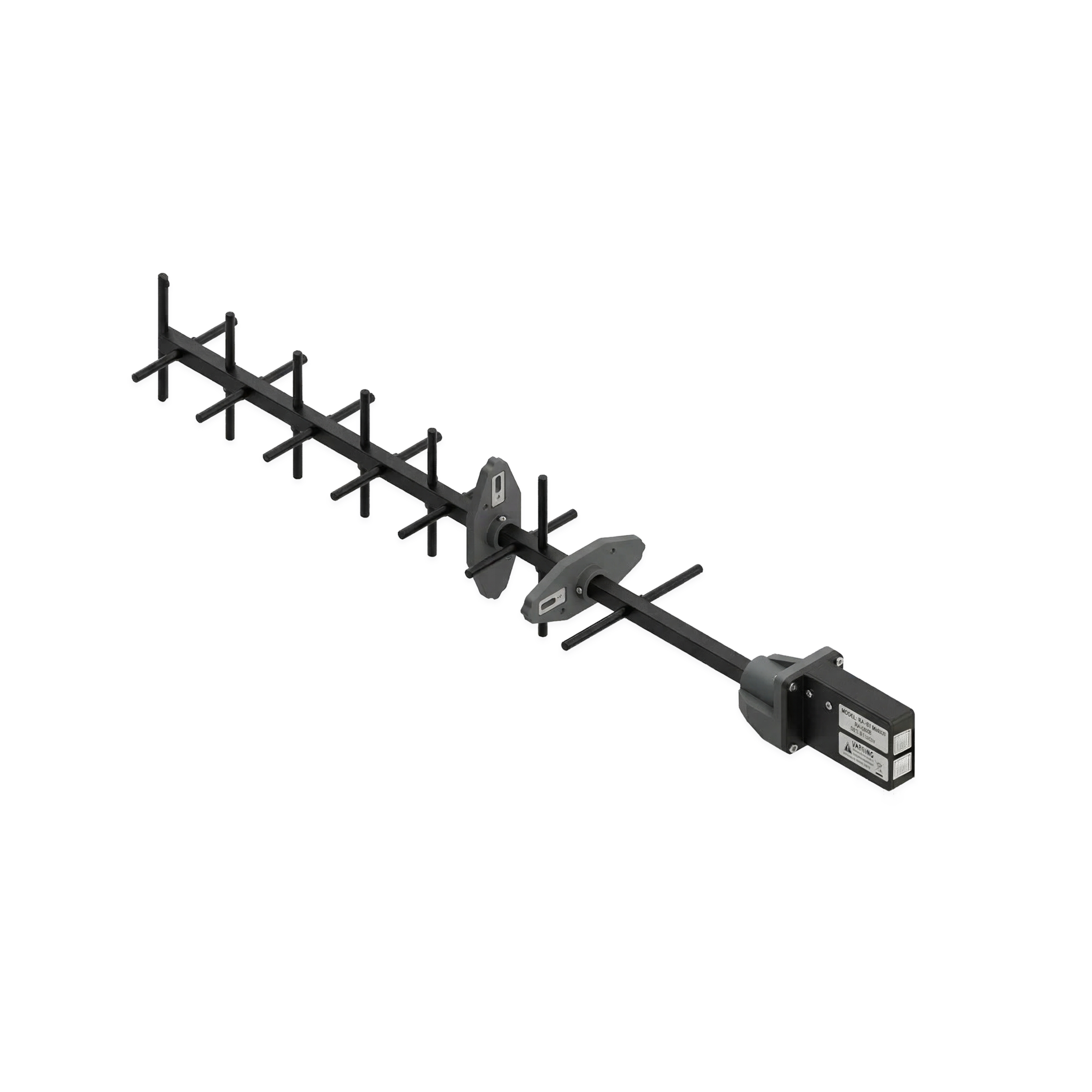
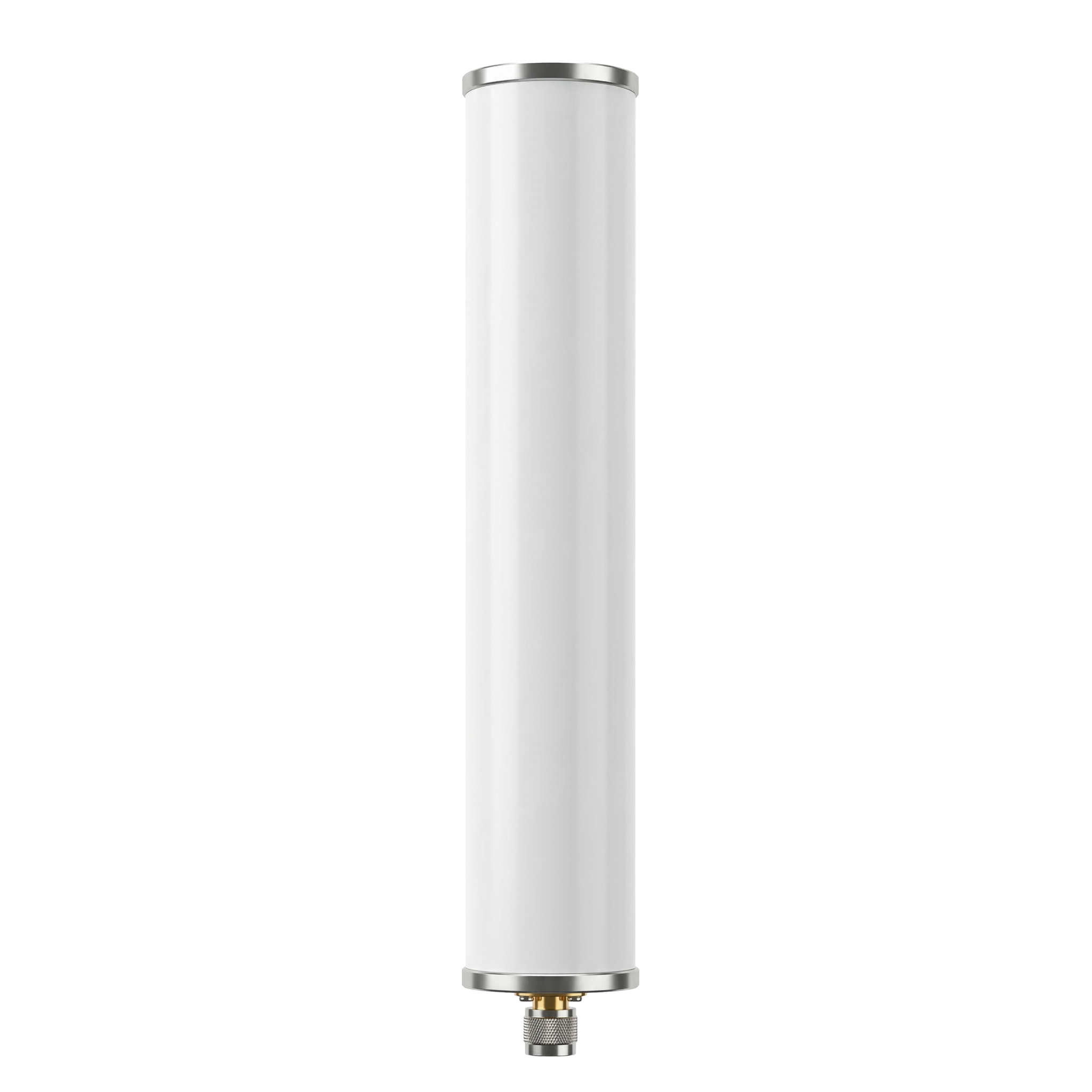
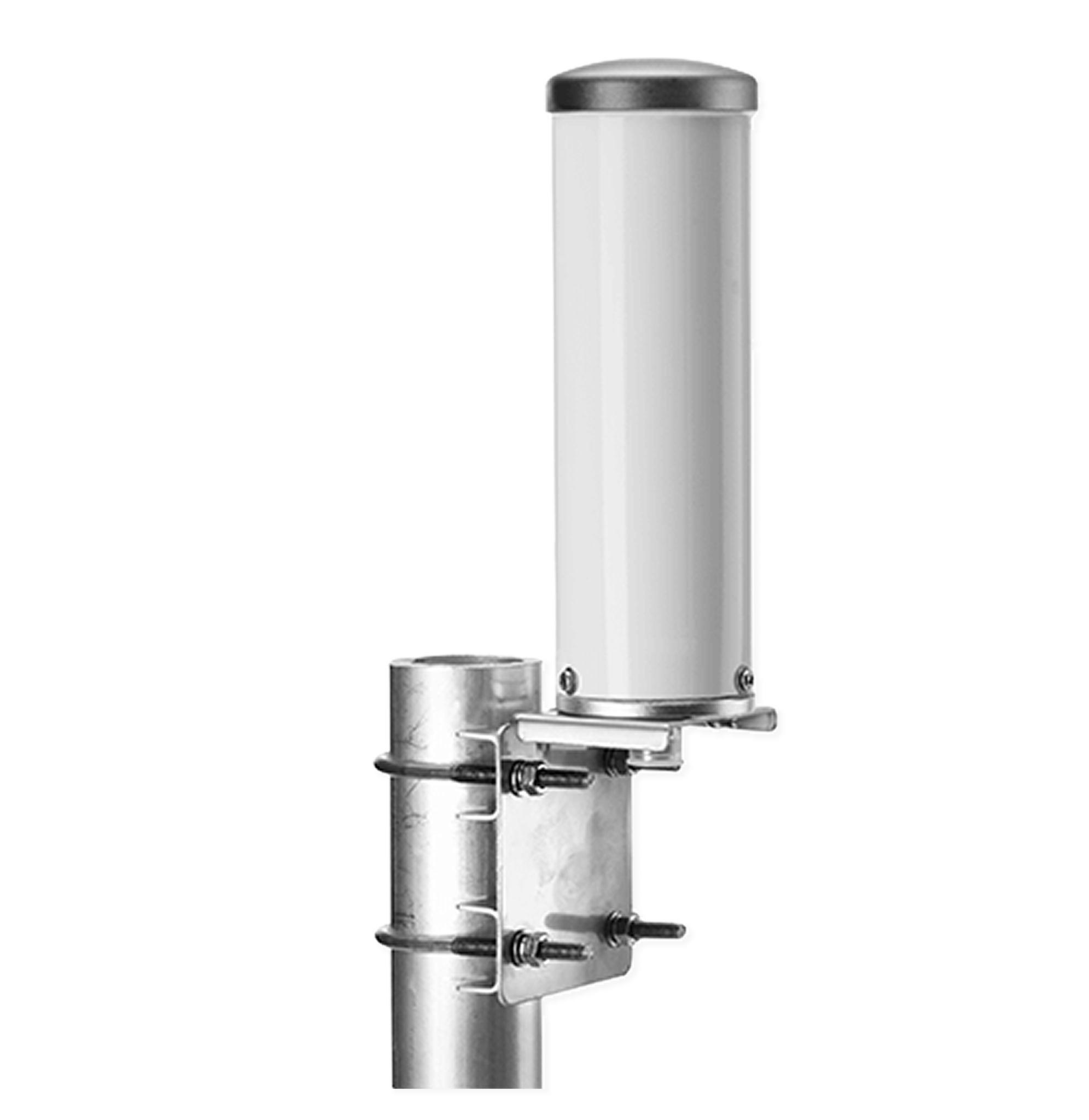
660 - 2700 MHz
Multi-Band Operation
PlatinumWave™ SS-FH
Spread-spectrum frequency Hopping
143 dB
Link Budget
< 15 ms
One-way latency
125 Hz
Refresh, 16 ch
WHERE UbiC2™ FITS
Resilient control at low size, weight, power, and cost
Cheap open-protocol links break down under interference, congestion, and range. High-end radios solve it but are large, power-hungry, and costly. UbiC2 delivers dependable control in between.
UbiC2™
Interference resilience
Architecture
Multi-band range
Size / power / cost
Low-cost open links
Weak
Fixed-band radio
One band
Fragile
High-end radios
Strong
Wideband OFDM radio
Limited per variant
Large, power-hungry, costly
Strong — cross-band FHSS
Software-defined SS-FH
~2 GHz (660–2700 MHz)
Cost-effective; small, light, low-power
NDAA-compliant
WHY UbiC2™
Four things ordinary control links don't offer
Software-Defined Radio
The resilience lives in the waveform, not in heavy hardware — so UbiC2 is compact, low-power, and built from NDAA-compliant components.
Interference Immunity
Cross-band frequency hopping spreads transmissions over many pre-set channels across ~2 GHz, and spread-spectrum processing gain pulls the signal out of noise — so the link stays stable as long as some channels are clear, even in congested or noisy RF.
Drop-In Integration
Native CRSF over the standard interface — mounts in a JR-bay controller and pairs with ArduPilot, PX4, or Betaflight. Upgrade the RF link with a module swap, not a redesign.
Long Range, Low Power
143 dB link budget and −115 dBm sensitivity reach long range at just 28 dBm (630 mW) — light and power-efficient.
FREQUENCY AGILITY
Pick the cleanest spectrum, anywhere
UbiC2 tunes across low, mid, and high bands, so operators can select the clearest, least-congested, or most regulation-appropriate spectrum for each site — instead of being locked to one crowded band.
High band available Q4 2026
Band and channel selection are software settings, configured before each deployment. Coverage to 2.7 GHz arrives in Q4 2026 — one module covers the full range, with no hardware change.
ADOPT WITHOUT REDESIGN
Integrates over CRSF with standard flight controllers and radios
UbiC2 uses the standard CRSF / UART interface, so it pairs with any CRSF-capable flight controller — including those running ArduPilot, PX4, or Betaflight — and mounts in any handset with a JR-bay module slot. Upgrade the RF link with a module swap, not an engineering program. Configure over USB-C, never through the active flight link.


SPECIFICATIONS
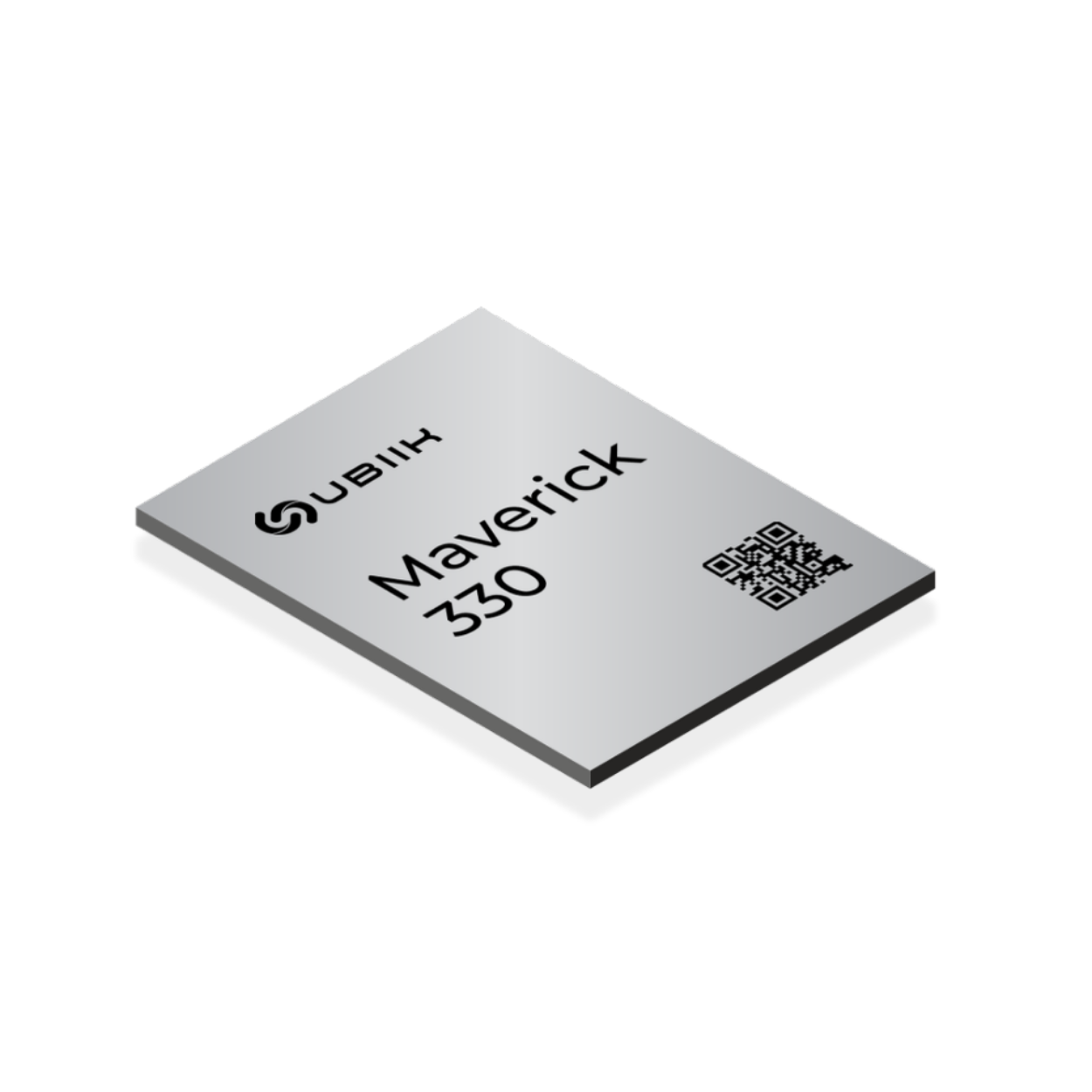
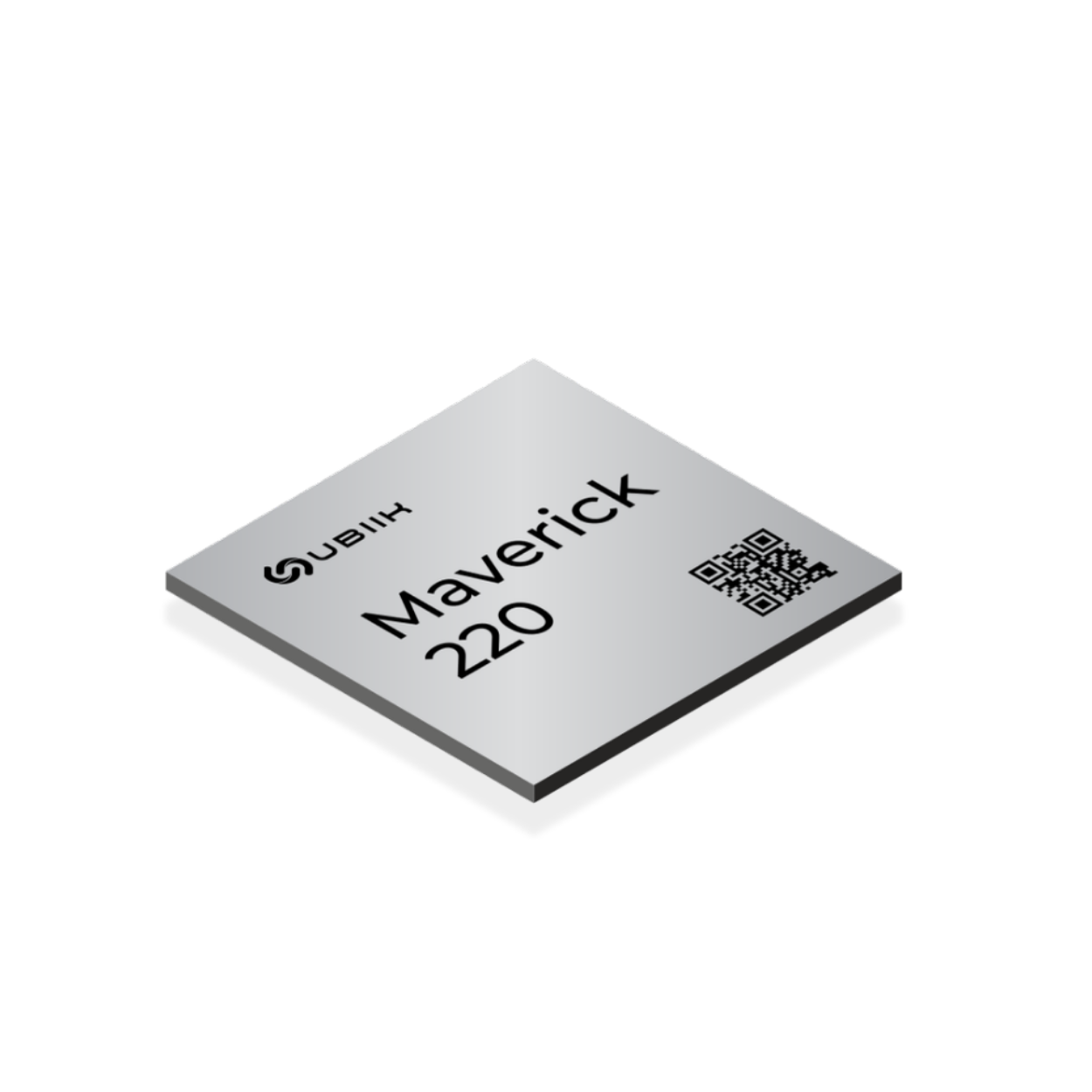
UbiC2™ Tx & Rx modules
Waveform
Refresh rate
Link budget
Rx sensitivity
Interface
Frequency range
One-way latency
Transmit power
Operating temp
PlatinumWave™ SS-FH
16 ch @ 125 Hz
143 dB
−115 dBm
CRSF/UART · S.Port · USB-C
660 – 2700 MHz
< 15 ms
up to 28dBm
−30 to +70 °C

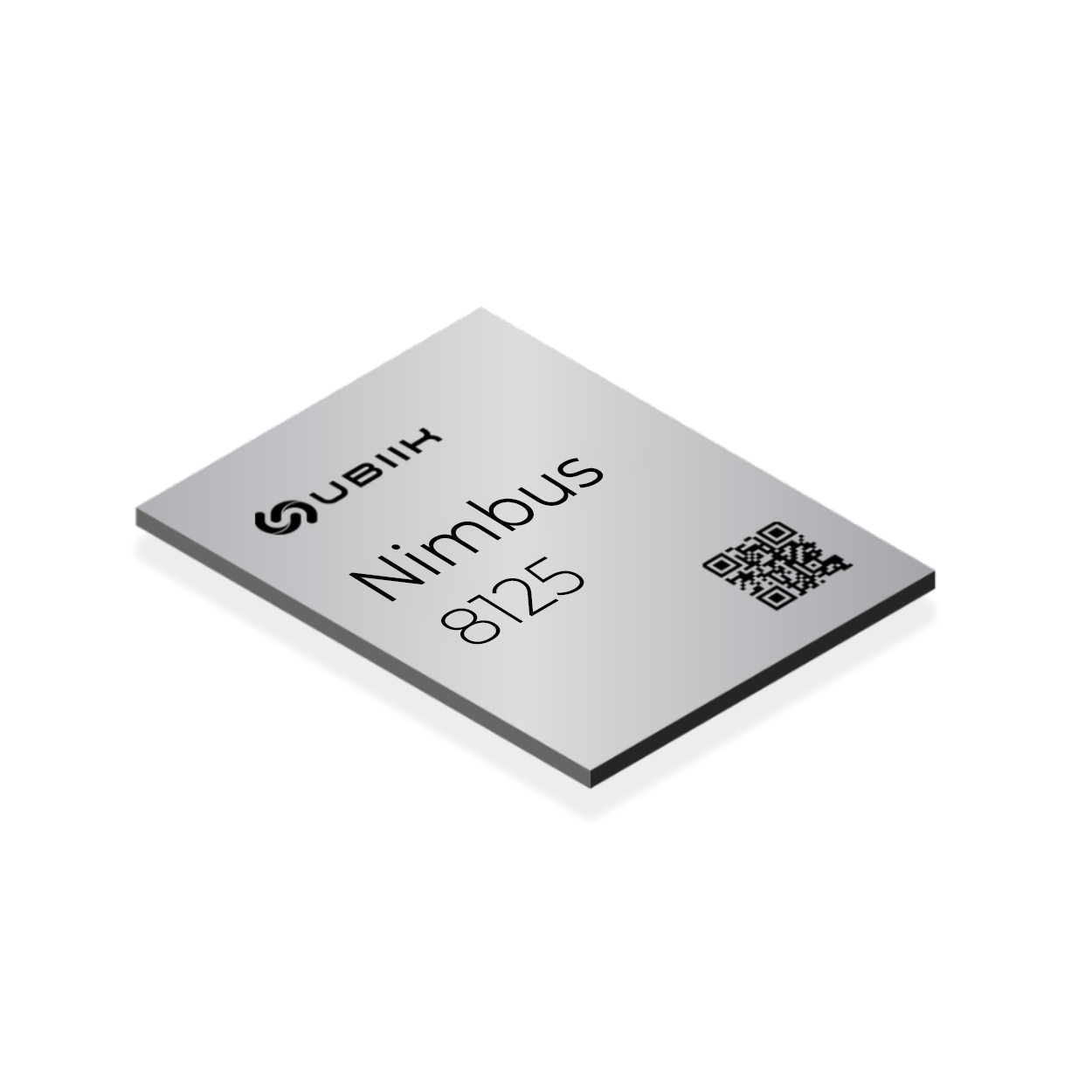
Dimension
Weight
55.6 × 39.2 × 9.4 mm
10.5 g

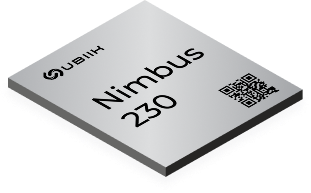
Dimension
Weight
41.1 × 37.2 × 6.5 mm
8.5 g
PlatinumWave™ SS-FH · Software-Defined Radio · NDAA-Compliant
Why just 28 dBm reaches beyond 30 km (low band)
Range is set by the link budget — the signal margin between transmitter and receiver — and UbiC2 wins that budget in the waveform, not with brute-force power. Its PlatinumWave™ SS-FH waveform adds roughly 17 dB of link budget versus a conventional wideband radio at the same C2 data rate: about 12 dB from spread-spectrum processing gain (de-spreading recovers the signal from below the noise floor) plus about 4 dB from operating in a narrow C2 channel with a lower noise floor.
That is what delivers a 143 dB link budget and −115 dBm sensitivity — and why UbiC2 reaches beyond 30 km in the low band on just 28 dBm (630 mW), where a wideband radio would need tens of watts. Longer range, lighter hardware, lower power.
HIGHLIGHTS & EVENTS